

Eco-conscious postpartum care practices for new mums
TL;DR:
- Eco-conscious postpartum care promotes healing using natural products and sustainable routines to reduce environmental impact.
- A hybrid approach of disposables first, then reusables, balances comfort and sustainability during recovery.
Eco-conscious postpartum care practices are methods that prioritise both your recovery and the planet, using natural products and sustainable routines to support healing after birth. The sustainable feminine hygiene market is projected to grow from USD 30.74 billion in 2025 to USD 58.24 billion by 2035. That growth reflects a clear shift: new mothers are choosing skin-friendly, non-toxic materials not just for their own health, but for the environment too. The good news is that green postpartum recovery does not require perfection. A practical, flexible approach gets you further than any rigid zero-waste postpartum care routine ever will.
1. Which postpartum hygiene products best combine sustainability and comfort?
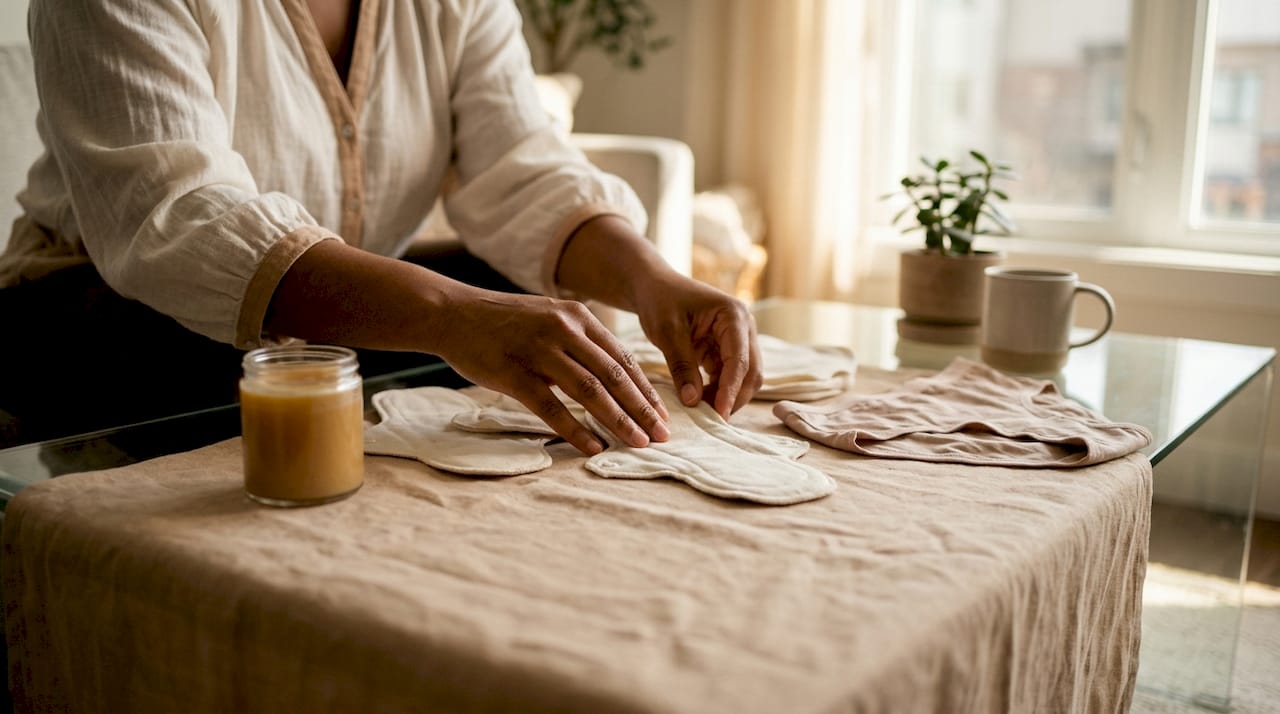
The most practical approach to sustainable postpartum recovery is a hybrid one. Use high-absorbency disposables for the first 7–10 days of heavy bleeding, then transition to reusable options as your body settles. This is not a compromise. It is the method that keeps you comfortable and sane during the most physically demanding stretch of early motherhood.
When choosing products, look for these qualities:
- Organic cotton pads: Certified organic pads avoid chlorine bleaching and synthetic fragrances, both of which irritate healing tissue.
- Breathable postpartum underwear: High-rise, soft-waistband styles hold pads securely without pinching or trapping heat. Breathability matters as much as absorbency in the first weeks.
- Peri bottle: A simple squeeze bottle filled with warm water is one of the most effective and waste-free tools for perineal cleansing. No wipes needed.
- Fragrance-free cleansing wipes: If you do use wipes, choose unscented, biodegradable options. Fragrance is the most common irritant for postpartum skin.
- Reusable cloth pads: Once bleeding lightens, washable cotton or bamboo pads reduce ongoing waste significantly.
Pro Tip: Buy fewer pads than you think you need in each category. Most mothers overbuy disposables and then feel guilty switching to reusables. Start with a small stock of each and reorder as needed.
Checking washability before you buy any reusable product saves frustration later. Some cloth pads require cold soaking before washing, which adds a step you may not want during sleep deprivation.
2. How to build a minimalist, eco-friendly postpartum wardrobe for baby and mother
A minimalist wardrobe is one of the most underrated zero-waste postpartum care tips. Newborns grow at a rate that makes large clothing hauls genuinely wasteful. Sustainable postpartum planning recommends capping newborn clothing at 10 sleepers, 10 footed onesies, and 5 footed pants. That is 25 items total, which covers washing cycles without creating excess.
Here is how to build a practical, waste-reducing wardrobe for both of you:
- Choose organic or natural fibres. Organic cotton and bamboo are softer on newborn skin and free from pesticide residues. They also wash better over time than synthetic blends.
- Buy second-hand first. Pre-loved newborn clothing is often barely worn. Charity shops, local selling groups, and dedicated resale platforms offer excellent condition items at a fraction of the cost.
- Repurpose receiving blankets. Standard receiving blankets work as burp cloths, swaddles, and changing mats. One item doing three jobs mean three fewer single-purpose purchases.
- Prioritise multifunctional pieces for yourself. Nursing-friendly tops that also work for non-nursing days extend your wardrobe without adding volume.
- Avoid seasonal impulse buys. Newborns spend most of their time indoors. Themed outfits and novelty items accumulate quickly and are rarely used more than once.
Pro Tip: Before buying anything new, check what you already own. Old soft T-shirts make excellent burp cloths, and muslin squares are genuinely more useful than most purpose-built baby items.
Less laundry is a direct benefit of a smaller wardrobe. Fewer items means fewer wash cycles, which reduces water use, energy consumption, and detergent waste in one go.
3. What natural remedies support sustainable postpartum recovery at home?
Natural home care rituals are the backbone of eco-friendly parenting methods that extend to the mother’s own healing. The most effective options use ingredients you can source in bulk, reducing packaging waste alongside chemical exposure.
Key remedies that work:
- DIY sitz baths: A warm soak with organic Epsom salts, lavender, and oats soothes perineal tissue gently and effectively. You control every ingredient, which means no hidden fragrances or preservatives.
- Witch hazel pad liners: Chilled witch hazel applied to a pad liner reduces swelling and discomfort. You can make your own using Mumbubhub’s guide to DIY witch hazel pads, which keeps costs and packaging low.
- Cold packs from frozen peas: Wrapped frozen peas applied over a cloth provide effective perineal pain relief without any single-use plastic waste. Refreeze and reuse as needed.
- Herbal bath soaks: Pre-blended postpartum bath soaks using natural herbs support relaxation and physical healing without synthetic additives.
- Baby-safe cleaning products: Mild, unscented cleaners protect both you and your newborn from irritants in shared spaces during recovery.
Pro Tip: Make a batch of sitz bath mix in advance and store it in a glass jar. Having it ready means you will actually use it, rather than skipping the soak when you are tired.
Avoiding harsh chemicals during postpartum is not just an environmental choice. Fragrance and preservatives in conventional products are among the most common triggers for skin sensitivity in the weeks after birth.
4. How can laundry and waste management work in an eco-conscious postpartum routine?
Laundry is where many zero-waste postpartum care routines quietly collapse. The volume of washing a newborn generates is genuinely surprising, and adding reusable postpartum items to that pile can tip the balance from manageable to overwhelming.
The solution is structure, not sacrifice. A hybrid approach that uses some disposables during peak recovery reduces laundry burden without abandoning sustainability entirely.
| Approach | Best for | Environmental trade-off |
|---|---|---|
| Fully reusable from day one | Mothers with support at home | Lowest waste, highest laundry load |
| Hybrid (disposables first 7–10 days) | Most new mothers | Moderate waste, manageable routine |
| Disposables throughout | Mothers with limited support | Higher waste, lowest laundry demand |
Practical steps that make the hybrid approach work:
- Use separate hampers for postpartum recovery items and baby clothing. This prevents cross-contamination and makes it easier for a partner or helper to manage washing without asking questions.
- Choose a fragrance-free, refillable detergent for all postpartum and baby laundry. Refillable formats cut plastic waste significantly over time.
- Skip fabric softener entirely. It coats fibres and reduces absorbency in cloth pads and reusable nappies, which defeats the purpose.
- Label your hampers clearly. A simple system means anyone helping you can sort and wash without your input, which matters enormously in the first weeks.
Reducing the number of wash cycles also reduces energy and water use. Washing full loads at 30°C rather than 60°C is effective for lightly soiled items and cuts energy consumption per cycle.
5. Which green baby care tips complement eco-conscious maternal postpartum practices?
Sustainable postpartum recovery and green baby care work best when they share the same logic: fewer products, better quality, and less waste. The choices you make for your baby’s daily care directly affect your own routine.
Practical green baby care tips that integrate naturally:
- Choose glass or silicone bottles over plastic. Glass bottles are dishwasher-safe, do not absorb odours, and last indefinitely. They are a one-time purchase that eliminates ongoing plastic waste.
- Use compostable or organic nappies if fully reusable nappies feel like too much during early recovery. Compostable options reduce landfill impact without the laundry commitment of cloth.
- Wash baby textiles with unscented laundry powder. Scented products leave residue on fabric that sits against your baby’s skin all day. Unscented powders are gentler and often more concentrated, meaning less product per wash.
- Buy second-hand baby equipment. Bouncers, play mats, and baby carriers are used for short windows. Buying pre-loved reduces manufacturing demand and saves money for products that genuinely matter.
- Prioritise bonding over gadgets. A baby monitor, a carrier, and a safe sleep space cover most genuine needs. The market for baby gadgets is vast, but most items are used briefly and discarded. Environmentally safe baby products are often the simplest ones.
Natural body butters, such as those from Jeffi Inc, can also support your own skin during this period, particularly for dry or stretched skin that needs gentle, plant-based nourishment.
Key takeaways
Eco-conscious postpartum care practices work best when they prioritise your physical recovery first and layer in sustainability at a pace your body and household can sustain.
| Point | Details |
|---|---|
| Start with a hybrid approach | Use disposables for the first 7–10 days, then transition to reusables as recovery allows. |
| Cap newborn clothing at 25 items | Limit sleepers, onesies, and footed pants to avoid waste and excess laundry. |
| Use multipurpose textiles | Receiving blankets double as burp cloths, swaddles, and changing mats. |
| Choose fragrance-free products | Unscented detergents and cleaners protect sensitive postpartum and newborn skin. |
| Build in structure for laundry | Separate hampers and clear labels make sustainable routines manageable with support. |
What I have learned about eco-conscious postpartum care
The conversation around sustainable postpartum recovery often skips the part where it gets hard. Nobody tells you that the first week postpartum is not the moment to commit to a fully reusable system. Your body is doing something enormous, and adding laundry guilt to that is counterproductive.
What I have found actually works is starting with one sustainable swap at a time. The sitz bath with organic salts and oats is the easiest entry point because it costs almost nothing and requires no special equipment. From there, switching to a peri bottle instead of wipes removes a daily source of waste without any extra effort.
The self-compassion principle matters more than any product choice. Sustainability is not a standard you either meet or fail. It is a direction you move in, gradually, as your capacity grows. A mother who uses one reusable pad a day is doing something real. That counts.
The products that get overlooked most often are the simplest ones. Frozen peas. A glass jar of bath salts. A muslin square doing five jobs. These are not glamorous, but they are the foundation of a genuinely sustainable recovery that holds up past the first month.
— Nat
Natural postpartum care, made easy with Mumbubhub
Recovery deserves products you can trust, and Mumbubhub has built its range around exactly that: natural, plant-based ingredients with no unnecessary chemicals, designed for the fourth trimester.
The Prep and Recover Bundle brings together the postpartum essentials that matter most, from herbal bath soaks to perineal care, all formulated with organic and natural ingredients. For a broader self-care focus, the Pregnancy Pamper Bundle covers both the final weeks of pregnancy and early recovery in one thoughtfully curated kit. Every product Mumbubhub makes supports maternal health initiatives, so your purchase does more than care for you.
FAQ
What are eco-conscious postpartum care practices?
Eco-conscious postpartum care practices are recovery methods that use natural, sustainable products and routines to support maternal healing while reducing environmental impact. They typically combine reusable items, organic ingredients, and minimal-waste habits.
When should I switch from disposables to reusables postpartum?
The heaviest bleeding and most intense physical recovery occurs in the first 7–10 days, making high-absorbency disposables the practical choice during that window. Transitioning to reusable pads and underwear after that period balances comfort with sustainability.
How do I make a DIY sitz bath for postpartum recovery?
Combine organic Epsom salts, dried lavender, and colloidal oats in warm water for a gentle, effective sitz bath. This approach gives you full ingredient control and avoids the synthetic fragrances found in many commercial blends.
Are reusable nappies realistic during postpartum recovery?
Reusable nappies are a strong long-term choice, but they add significant laundry during early recovery. Using compostable nappies for the first few weeks, then transitioning to cloth, is a practical middle ground that protects your energy when you need it most.
What is the simplest zero-waste postpartum care tip to start with?
Replacing disposable wipes with a peri bottle is the easiest first step. It requires no extra washing, costs very little, and is one of the most effective tools for postpartum perineal hygiene.