

Postpartum self-care first weeks: your recovery guide
TL;DR:
- Postpartum self-care focuses on rest, pain management, and emotional support during the critical first weeks after birth.
- It emphasizes doing less intentionally to protect recovery and mental health while accepting help and rest as vital.
Postpartum self-care in the first weeks is the set of intentional practices new mothers use to heal physically, support emotional well-being, and adjust to life with a newborn. Clinically, this period is often called the fourth trimester, a term that reflects how much your body and mind continue to change after birth. The American College of Obstetricians and Gynaecologists recommends ongoing postpartum support rather than a single six-week check, because recovery is rarely linear. This guide gives you practical, evidence-based steps to manage pain, protect your sleep, nurture your mental health, and build routines that actually fit your life right now.
What does postpartum self-care in the first weeks really mean?
The first weeks after birth demand a survival mindset, not a wellness overhaul. Hormonal shifts and frequent feeding make even simple tasks exhausting. True self-care at this stage is not about adding more to your plate. It is about protecting your nervous system by accepting help, reducing anxiety, and resting whenever possible.
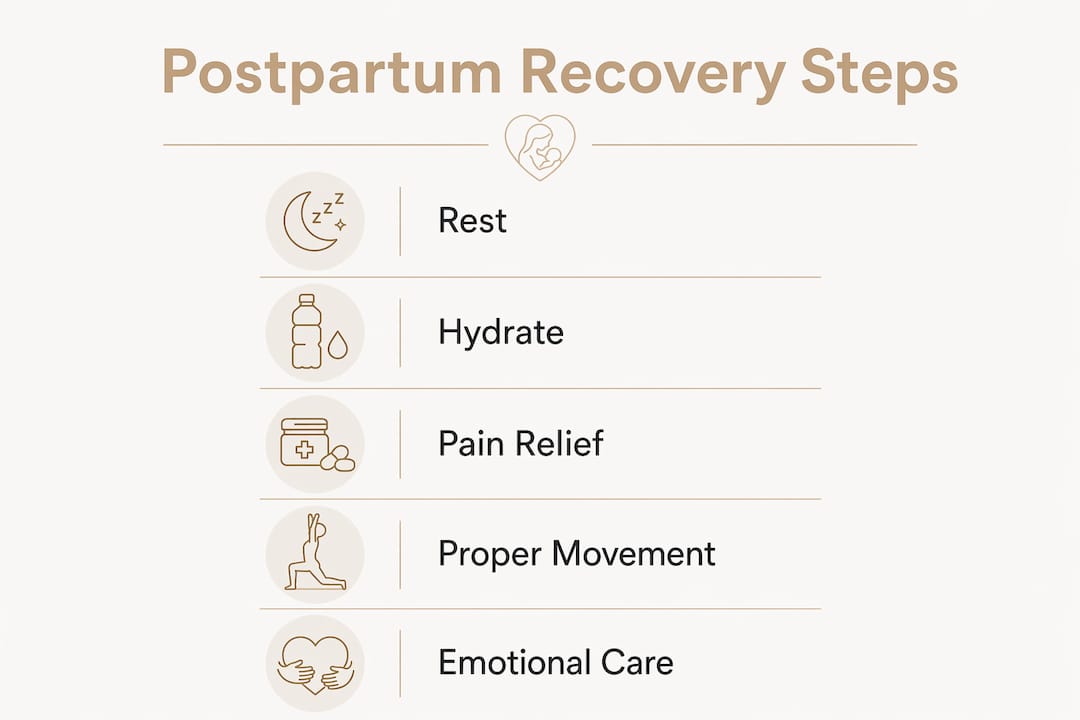
Postpartum self-care is not about doing more. It is about doing less, more deliberately. That reframe matters because many mothers feel guilty for resting, believing that any time not spent on the baby is wasted. Maternal well-being is critical for nervous system recovery, and a depleted mother cannot sustain the care her baby needs.
The core goals in these early weeks are straightforward: manage physical discomfort, protect sleep, monitor your emotional state, and eat and drink enough to support healing. Everything else can wait.
How to manage physical healing and comfort in the first weeks
Physical recovery after birth centres on the perineum, the abdomen, and the whole musculoskeletal system. Pain generally improves within 6–8 weeks, though complete recovery may take up to a year. Starting the right habits in week one makes a measurable difference to how quickly you feel comfortable again.
Perineal care that actually works
- Ice the area in the first 24 hours to reduce swelling. A simple ice pack wrapped in a cloth works well.
- Use padsicles soaked in aloe vera and witch hazel for ongoing relief. You can follow a padsicle recipe to make your own at home.
- Apply a perineal balm after each bathroom visit to soothe and protect healing tissue. Mumbubhub’s perineal balm is formulated with natural ingredients specifically for this stage.
- Pat dry gently rather than wiping, and use a peri bottle with warm water to cleanse without friction.
- Sit on a cushion or a rolled towel to reduce direct pressure on stitches or bruised tissue.
Movement mechanics that protect your recovery
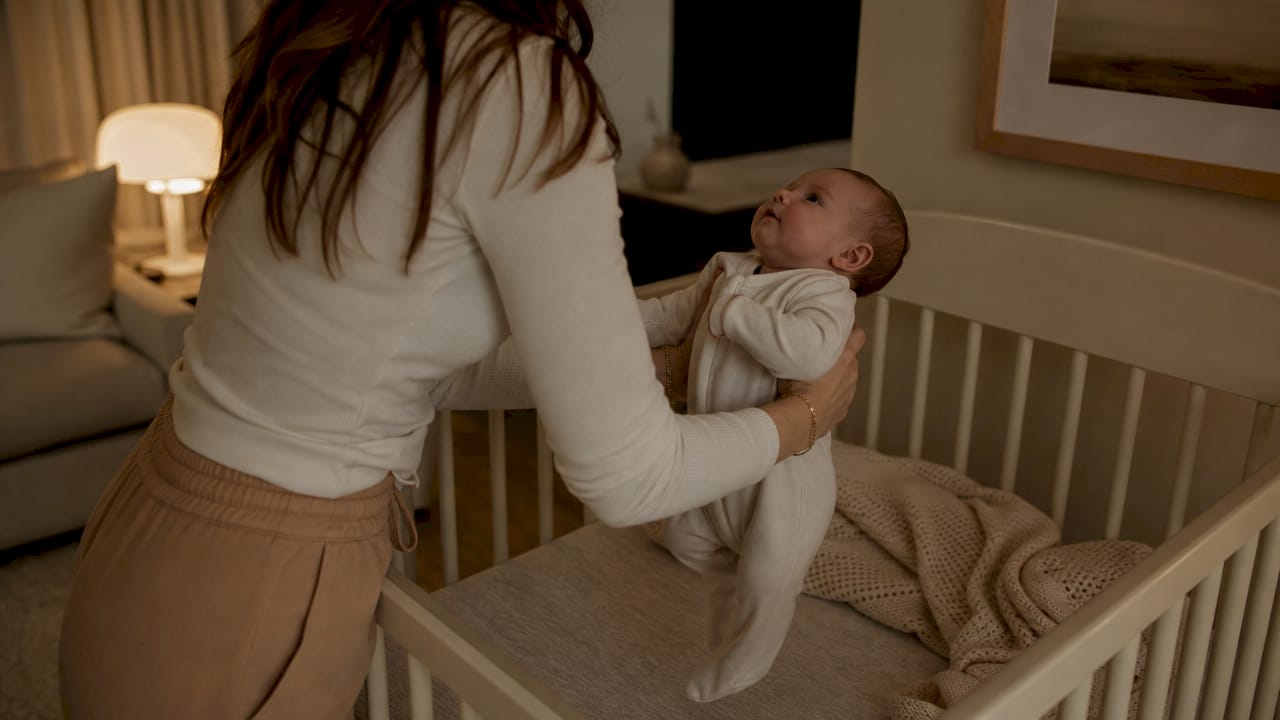
Rolling onto your side before sitting up and using your elbows rather than your wrists when lifting your baby protects your core muscles from strain. These small adjustments prevent repetitive strain injuries that can extend recovery time significantly. Avoid lifting anything heavier than your baby in the first two weeks.
Persistent pain during bowel movements, sitting, or intimacy is not a normal part of recovery. Pain that worsens or interferes with daily life warrants a call to your midwife or GP. Physical therapy is often highly effective and is not something to delay.
Pro Tip: Keep a small basket in the bathroom with your peri bottle, padsicles, and perineal balm. Having everything in one place removes the effort of searching when you are sore and tired.
How can you get enough rest with a newborn?
Sleep deprivation is the defining challenge of newborn care in the first weeks. Newborns feed every 2–3 hours or more, which means uninterrupted sleep is not realistic. The goal shifts from full nights to accumulated rest across 24 hours.
These strategies make a real difference:
- Sleep when your baby sleeps. Resist the urge to use nap time for chores. Your body heals during sleep, not during tidying.
- Use shift-based sleep with your partner or a caregiver. One person takes the first half of the night, the other takes the second. Each of you gets a longer unbroken stretch.
- Hand off the baby after feeds. If you are breastfeeding, your partner can burp, settle, and return the baby to their sleep space while you rest immediately.
- Write a daily task list the night before and hand it to whoever is helping you. Delegating with pre-written lists removes the mental load of directing others while you are exhausted.
- Lower the bar for household standards. A clean home is not a recovery goal. A rested mother is.
Rest and hydration are the two most powerful tools for managing physiological stress in week one. Neither requires energy to do. They simply require permission.
Pro Tip: Put a large water bottle and a snack beside wherever you feed your baby. Breastfeeding increases your fluid needs, and thirst is easy to ignore when you are focused on your newborn.
Recognising and managing mental health after childbirth
Emotional changes after birth are universal, but they exist on a spectrum. The “baby blues” affect the majority of new mothers in the first week, typically peaking around day three to five as oestrogen and progesterone levels drop sharply. Symptoms include tearfulness, irritability, and mood swings. These generally resolve within two weeks without treatment.
Postpartum Mood and Anxiety Disorders, known as PMADs, are different. PMADs include postpartum depression and anxiety and require professional support when symptoms are severe or prolonged. Signs that warrant contacting your GP or midwife include:
- Extreme anxiety or panic attacks that do not ease
- Persistent sadness lasting more than two weeks
- Intrusive or distressing thoughts about yourself or your baby
- Difficulty bonding with your baby
- Feeling unable to cope with daily tasks
Mothers often feel emotional depletion because they believe self-care detracts from baby care. The reality is the opposite. Maternal well-being is the foundation of nervous system recovery, and reducing isolation and anxiety is one of the most protective things you can do for both yourself and your baby.
Simple daily practices support emotional regulation without requiring energy. Stepping outside for ten minutes, speaking to a friend, or sitting quietly with a warm drink all activate the parasympathetic nervous system. These are not luxuries. They are recovery tools.
How to build a self-care routine that fits real life postpartum
Sustainable self-care in the early weeks is built on realistic expectations, not aspirational ones. Comparing your recovery speed to others is one of the most common mental barriers to healing. Every body heals differently, and the first weeks are for healing and bonding, not productivity.
A manageable daily framework looks like this:
- Nutrition: Eat warm, nourishing meals even if they are simple. Soups, stews, and easy one-handed snacks keep energy stable. Accept every meal that is offered to you.
- Hydration: Aim for at least 2 litres of water daily, more if you are breastfeeding.
- Gentle movement: Short walks around the house or garden from week two onwards support circulation without straining healing tissue.
- Pampering as restoration: A warm herbal bath soak is not indulgent at this stage. It is therapeutic. Mumbubhub’s postpartum herbal bath soak uses plant-based ingredients to soothe soreness and support relaxation.
- Skin and body care: Simple rituals like moisturising or a gentle self-massage reconnect you with your body after birth. The Mumbubhub guide to postpartum recovery routines outlines gentle steps suited to the fourth trimester.
| Wellness area | Simple daily action |
|---|---|
| Physical recovery | Ice or soothe the perineum; use correct movement mechanics when getting up |
| Sleep | Nap when baby sleeps; use shift sleep with a partner or caregiver |
| Nutrition | Eat warm meals; keep snacks and water within reach during feeds |
| Emotional health | Speak to someone daily; step outside briefly; monitor mood changes |
| Gentle pampering | Use a herbal bath soak or perineal balm as a restorative ritual |
Common challenges and how to overcome them
Most new mothers hit the same walls. Knowing what they are makes them easier to navigate.
- Guilt about resting. Rest is not laziness. It is the primary mechanism of physical repair. Reframe it as a medical requirement.
- Persistent pain. Pain signals are feedback, not something to push through. Persistent or severe pain is often successfully treated with physical therapy or minor medical interventions. Contact your GP early rather than waiting.
- Emotional exhaustion. Sleep deprivation and hormonal shifts compound quickly. If you feel unable to function or are having distressing thoughts, contact your midwife or GP the same day.
- Difficulty accepting help. Write a task list before people arrive. Specific requests (“please put a wash on” or “please cook dinner”) are easier for helpers to act on than vague offers.
- Unrealistic timelines. Individual recovery is unique. Measuring yourself against what you expected or what others experienced adds unnecessary pressure to an already demanding time.
Pro Tip: Set a daily “non-negotiable” for yourself. It can be as small as drinking a hot cup of tea or spending five minutes outside. Small consistent acts of self-kindness build resilience over weeks.
Key takeaways
Postpartum self-care in the first weeks is defined by rest, pain management, emotional monitoring, and accepting help, not by productivity or wellness performance.
| Point | Details |
|---|---|
| Physical healing takes time | Pain improves within 6–8 weeks for most mothers, but full recovery can take up to a year. |
| Rest is the primary recovery tool | Sleep when your baby sleeps and use shift-based rest with a partner to accumulate enough sleep. |
| PMADs require professional support | Persistent sadness, extreme anxiety, or intrusive thoughts beyond two weeks need medical attention. |
| Delegation reduces mental load | Pre-written daily task lists help carers support you without you having to direct them while exhausted. |
| Self-care is nervous system regulation | Accepting help, reducing isolation, and resting protect your mental and physical recovery more than any wellness activity. |
What I’ve learnt about postpartum recovery that nobody tells you
The thing that surprised me most about the postpartum period is how much pressure mothers put on themselves to “bounce back” when their body is doing something far more extraordinary than bouncing. It is rebuilding. That takes time, and time is not something our culture is particularly patient about.
The mothers I have seen struggle most are not the ones with the hardest births. They are the ones who refuse help, minimise their pain, and measure their recovery against someone else’s highlight reel. The ones who recover well tend to share one trait: they treat rest as non-negotiable, even when it feels selfish.
My honest view is that the six-week check-up model sets unrealistic expectations. Recovery is not a destination you reach at six weeks. For many women, the physical and emotional work continues well into the first year. Celebrating small wins, such as a good feed, a full nap, or a moment of genuine calm, matters more than hitting arbitrary milestones.
Accept the meal. Take the nap. Ask for the specific help you need. Those are not signs of weakness. They are the most effective postpartum self-care practices available to you.
— Nat
Natural postpartum essentials from Mumbubhub
Recovery is easier when you have the right products to hand. Mumbubhub’s range of plant-based postpartum care products is designed specifically for the fourth trimester, using gentle, natural ingredients that support healing without harsh chemicals.
The Postpartum Essentials Bundle brings together the key products new mothers reach for most in the first weeks, including perineal care, herbal bath soaks, and soothing balms. For mothers focused on rest and emotional recovery, the Rest & Restore Bundle is curated to support relaxation and well-being during the most demanding stage of early motherhood. Both bundles are available with free UK delivery and reflect Mumbubhub’s commitment to maternal health, with a portion of profits supporting maternal health initiatives.
FAQ
What is postpartum self-care and why does it matter?
Postpartum self-care is the set of intentional practices that support physical healing and emotional well-being after childbirth. Without it, recovery takes longer and the risk of postpartum mood disorders increases.
How long does physical recovery take after birth?
Pain and discomfort generally improve within 6–8 weeks, but complete physical recovery can take up to a year depending on the birth and individual factors.
What are the signs of postpartum depression?
Signs include persistent sadness lasting more than two weeks, extreme anxiety, difficulty bonding with your baby, and intrusive thoughts. Contact your GP or midwife promptly if these occur.
How can I sleep more with a newborn?
Use shift-based sleep with your partner, sleep when your baby sleeps, and delegate night settling to a caregiver after feeds so you can rest immediately.
When should I contact a doctor about postpartum pain?
Contact your GP or midwife if pain worsens, persists beyond what you expect, or interferes with sitting, walking, or daily tasks. Persistent pain is not normal and is usually treatable.