

Types of postpartum bath soaks: your recovery guide
TL;DR:
- Postpartum bath soaks promote healing and emotional well-being after childbirth through gentle water treatments. Different types, including sitz baths and herbal soaks, target specific symptoms like swelling or irritation. Choosing the right method depends on your recovery stage, delivery type, and personal comfort.
Postpartum bath soaks are specialised water-based treatments designed to soothe and heal the perineal area after childbirth. The most widely recognised form is the sitz bath, but the full range of types of postpartum bath soaks extends to herbal infusions, Epsom salt soaks, and botanical blends. Each type targets different symptoms, from swelling and stitches to haemorrhoids and emotional fatigue. Ingredients like witch hazel, calendula, chamomile, and Epsom salts form the backbone of most postpartum bath remedies. Knowing which soak suits your recovery stage makes a real difference to comfort and healing speed.
1. What are the types of postpartum bath soaks?
Postpartum bath soaks fall into several distinct categories, each with a different mechanism and purpose. The main types are sitz baths, herbal or botanical soaks, Epsom salt soaks, and cool water rinses. Some mothers use a single type throughout recovery; others rotate between them depending on symptoms. Understanding each type helps you choose the right soak at the right time.
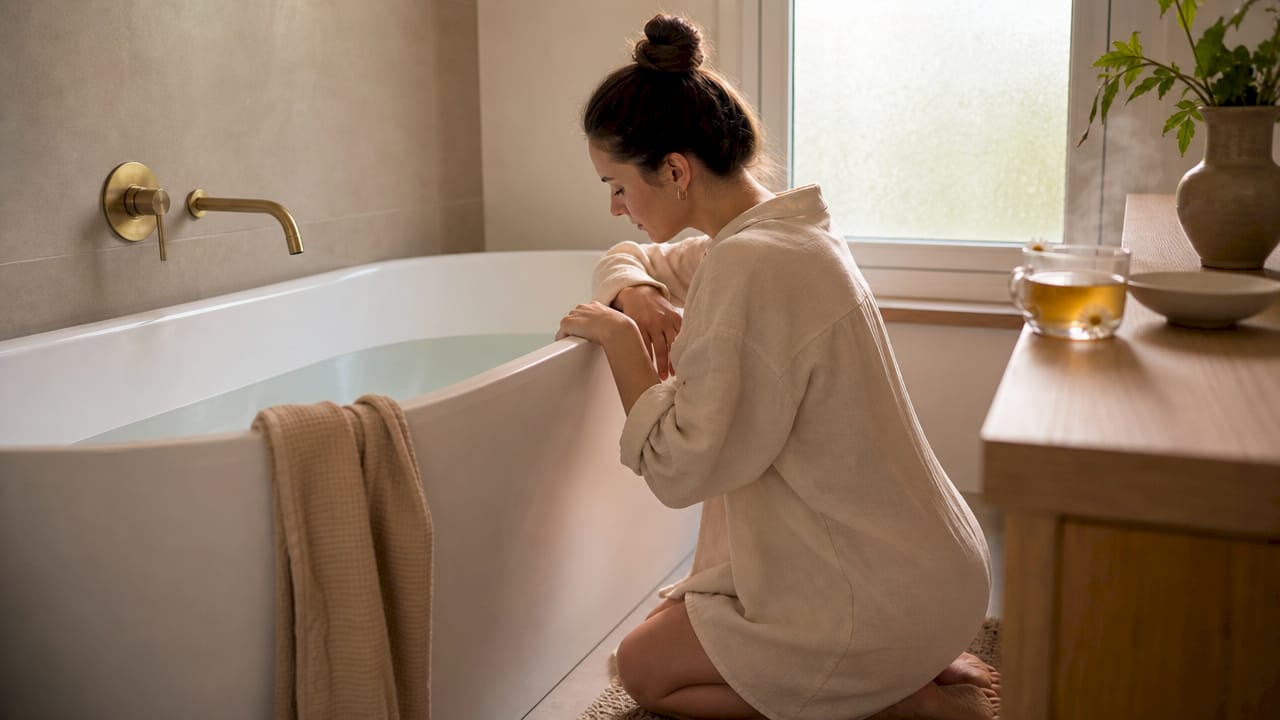
The sitz bath is the most clinically recognised form. It targets the perineal area directly and is recommended by midwives for vaginal birth recovery. Herbal soaks add plant-based ingredients to warm water for anti-inflammatory and soothing effects. Epsom salt soaks use magnesium sulphate to reduce swelling and ease muscle tension across the whole body.
2. Sitz baths: the clinical standard for perineal healing
A sitz bath is a shallow, warm water soak that covers only the hips and perineal area. The standard sitz bath protocol involves soaking in 3–4 inches of comfortably warm water for 10–20 minutes, two to three times daily. This frequency promotes healing of stitches, reduces swelling, and relieves haemorrhoid discomfort. Hydrotherapy principles support this approach, as warm water increases local blood flow and accelerates tissue repair.
You can take a sitz bath in a full bathtub or in a small plastic basin that fits over the toilet seat. The basin option is more practical in the early days when mobility is limited. Midwives recommend starting sitz baths once you are stable after a vaginal birth, but caution that C-section patients must wait until their surgical incision has fully healed. Always confirm timing with your obstetric provider before starting.
Bubble baths, harsh soaps, and excessively hot water increase swelling and irritate sensitive postpartum tissue. Plain warm water is the safest base. Add gentle botanicals only once you know your skin tolerates them.
Pro Tip: Pat the perineal area dry with a clean, soft towel after each sitz bath rather than rubbing. Rubbing disturbs healing tissue and can reopen small tears.
For detailed step-by-step guidance, the Mumbubhub guide on perineal healing with a sitz bath covers positioning, timing, and what to watch for during recovery.
3. Herbal and botanical soaks: plant-based postpartum healing
Herbal baths are the most traditional form of postpartum bath remedy, used across cultures for centuries. They combine warm water with plant-based ingredients that deliver anti-inflammatory, astringent, and soothing effects directly to healing tissue. Common soothing ingredients include Epsom salts, witch hazel, colloidal oat, calendula, and chamomile. A typical preparation uses around two cups of salts per full bath or half a cup per sitz basin.
The key botanicals each serve a specific purpose:
- Calendula reduces inflammation and supports skin cell regeneration around stitches and tears.
- Chamomile calms irritated tissue and has a mild antiseptic effect.
- Witch hazel acts as an astringent, shrinking swollen tissues and soothing haemorrhoid discomfort and perineal itching.
- Lavender provides gentle pain relief and supports emotional calm.
- Aloe vera moisturises and cools inflamed skin without disrupting healing.
You can prepare herbal soaks using pre-made sachets, loose herb infusions steeped in boiling water and then cooled, or ready-blended products designed for postpartum use. Sachets are the most convenient option for the early postpartum days when energy is low.
“Herbal baths act as an emotional healing ritual beyond physical benefits, providing a quiet time for mothers to process birth and bond with their baby. The ceremonial nature of a postpartum herbal bath gives recovery a sense of intention and care that clinical treatments alone cannot offer.”
Postpartum baths carry emotional importance as restorative rituals that allow mothers to reclaim a sense of control and calm. This is not a minor benefit. The fourth trimester is physically and emotionally demanding, and a ten-minute herbal soak can serve as a genuine reset.
4. Sitz bath kits, full tubs, and at-home alternatives compared
The method you use to take a postpartum soak matters as much as the ingredients. Each option has practical trade-offs depending on your home setup, mobility, and recovery stage.
| Method | Best for | Key advantage | Key limitation |
|---|---|---|---|
| Toilet sitz basin | Early postpartum, limited mobility | Portable, affordable, targeted | Small water volume, less relaxing |
| Full bathtub | Later recovery, full body relief | Longer soak, full relaxation | Requires more energy to get in and out |
| Basin or foot soak | When a full bath is impractical | Flexible, easy to set up anywhere | Less targeted for perineal healing |
| Peri bottle rinse | Immediate post-birth cleansing | Gentle, no soaking required | Not a soak, limited therapeutic effect |
A full bathtub is not essential for effective postpartum recovery. A warm basin soak or even a foot soak can deliver meaningful physical relief and emotional comfort when a full bath is impractical. This matters for mothers in smaller homes or those recovering from a C-section who cannot safely lower into a tub.
Sitz baths are contraindicated for C-section patients until the surgical incision has fully healed and an obstetric provider has given clearance. For those mothers, peri bottle rinses and gentle showers are the safer early option.
Pro Tip: If you use a toilet sitz basin, place a folded towel on the toilet seat rim before fitting the basin. This reduces pressure on the perineum and makes the soak far more comfortable.
5. How to choose the right soak for your recovery stage
Choosing the right postpartum soak depends on your delivery type, current symptoms, and how far along you are in recovery. There is no single best option for every mother. The right choice shifts as healing progresses.
Key factors to consider:
- Delivery type. Vaginal birth recovery can begin sitz baths almost immediately once stable. C-section recovery requires waiting for incision clearance before any soaking.
- Timing. In the first 24–48 hours, gentle rinses are usually sufficient. Sitz baths and herbal soaks typically begin from day two or three onward.
- Symptoms. Swelling and stitches respond well to plain warm sitz baths. Haemorrhoids benefit from witch hazel additions. Dry or irritated skin responds to calendula and aloe vera.
- Temperature. Warm water aids muscle relaxation and is the standard recommendation. Cool sitz baths can be effective for relieving haemorrhoid-related discomfort, and personal preference should guide temperature choices once medically safe.
- Ingredient sensitivities. Patch test any new botanical additive on your inner arm before adding it to a soak. Lavender and chamomile are generally well tolerated, but individual reactions vary.
- When to seek advice. Consult your midwife or GP before starting any soak if you have an infection, open wounds beyond normal perineal healing, or any sign of surgical complication.
The primary goal of any postpartum water-based recovery ritual is gentle cleansing without disrupting healing tissues. Every ingredient and temperature choice should serve that goal.
For a broader overview of safe practices, the Mumbubhub guide on postpartum bath soaks covers the fourth trimester in practical detail.
Key takeaways
The most effective postpartum bath soaks combine the right method, ingredients, and timing to support physical healing and emotional recovery after childbirth.
| Point | Details |
|---|---|
| Sitz baths are the clinical standard | Soak for 10–20 minutes, two to three times daily in 3–4 inches of warm water. |
| Herbal ingredients target specific symptoms | Witch hazel shrinks swelling; calendula supports tissue repair; chamomile soothes irritation. |
| C-section recovery requires caution | Wait for full incision healing and obstetric clearance before any soaking. |
| Full tubs are not required | Basin soaks and foot soaks deliver real relief when a full bath is impractical. |
| Temperature is a personal choice | Warm water relaxes muscles; cool water can ease haemorrhoid discomfort once medically safe. |
What I have learned from postpartum baths that most guides miss
Most postpartum bath guides focus entirely on the physical protocol. Soak for this long, use this temperature, add these ingredients. That information is correct, but it misses something that matters just as much.
The ten minutes you spend in a sitz bath or herbal soak are often the only ten minutes in the day that belong entirely to you. New mothers are touched constantly, needed constantly, and rarely given permission to stop. A bath soak creates that permission. The ritual of preparing it, lowering into it, and sitting quietly is not a luxury. It is part of recovery in the same way sleep is part of recovery.
I have also noticed that mothers often abandon soaks too quickly. The first few days feel awkward, the basin feels fiddly, and the effort seems disproportionate to the relief. Push through that initial phase. By day four or five, the routine becomes second nature and the benefits become far more noticeable.
One more thing: do not let ingredient lists intimidate you. Plain warm water in a sitz basin is genuinely effective on its own. Botanicals like calendula and witch hazel add real benefit, but they are additions, not requirements. Start simple, then build in what feels right for your body.
— Nat
Natural postpartum bath soaks from Mumbubhub
Recovery after childbirth deserves products made with the same care you give your newborn. Mumbubhub’s range of natural, plant-based postpartum soaks is formulated with ingredients like witch hazel, calendula, and chamomile to support perineal healing and emotional wellbeing.
The Postpartum Essentials Bundle brings together the key recovery products new mothers need, including herbal bath soaks designed to work from the first days after birth. For mothers who want a broader self-care collection, the Rest & Restore Bundle pairs calming bath soaks with complementary recovery items. Every Mumbubhub product is free from harsh chemicals and developed with maternal health in mind.
FAQ
What is a postpartum bath soak?
A postpartum bath soak is a warm water treatment used after childbirth to soothe the perineal area, reduce swelling, and support tissue healing. The most common form is the sitz bath, which uses 3–4 inches of water targeting the hips and perineum.
When can I start taking a postpartum bath soak?
After a vaginal birth, most midwives recommend starting sitz baths once you are stable, typically from day two or three. C-section patients must wait until their surgical incision has fully healed and their obstetric provider has given clearance.
What ingredients are best in a postpartum herbal bath soak?
Calendula, chamomile, witch hazel, and Epsom salts are the most widely recommended ingredients. Witch hazel reduces swelling and soothes haemorrhoids; calendula supports skin repair; chamomile calms irritated tissue.
Can I take a postpartum soak without a bathtub?
A full bathtub is not required. A toilet sitz basin or a warm water basin soak delivers effective perineal relief and can be set up anywhere in the home with minimal effort.
Is warm or cool water better for a postpartum soak?
Warm water is the standard recommendation because it relaxes muscles and promotes blood flow to healing tissue. Cool water can relieve haemorrhoid-related itching and discomfort for some mothers, and personal preference should guide the choice once soaking is medically safe.