

Support new mum recovery at home: safe plant-based guide
The fastest way to support new mum recovery at home is a short daily rhythm: rest when the baby sleeps, stay hydrated, do a gentle sitz soak once or twice a day, apply nipple balm after each feed, and use a perineal spray after every bathroom visit. That is it for the first 72 hours. Clinical reviews report that up to 80% of new mothers experience the baby blues in the first days after birth, so mood dips are normal, but if they persist beyond two weeks, contact your GP or midwife.
Your first 72-hour checklist:
- Rest horizontally as much as possible; limit visitors
- Drink at least 2 litres of water daily, more if breastfeeding
- Use a warm sitz or herbal bath soak for 10–15 minutes, once or twice daily
- Apply nipple balm after every feed and allow nipples to air-dry briefly
- Use a perineal spray after each toilet visit to cleanse and soothe
- Check your mood daily and ask for help without hesitation
Mumbubhub’s Rest & Restore Bundle covers the soak and spray in one purchase, while the Soothing Duo targets perineal and nipple care specifically.
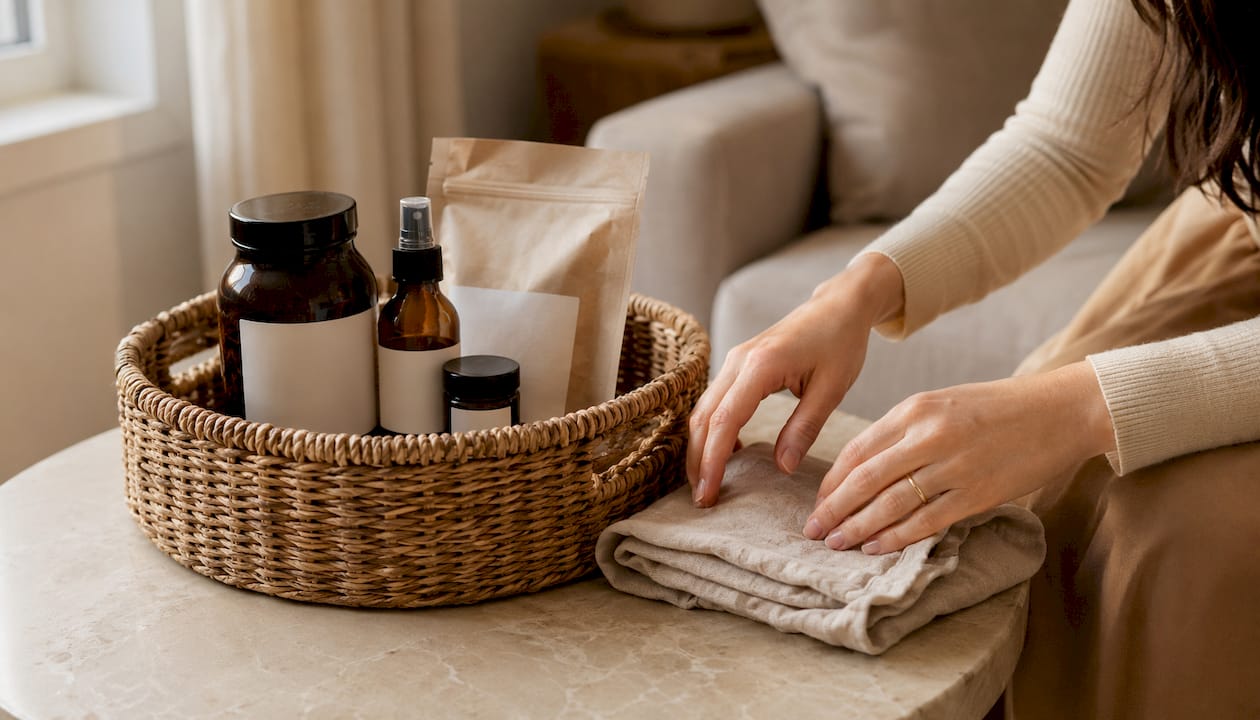
Pro Tip: Keep your sitz soak sachet, perineal spray, and nipple balm in a small basket by the toilet and feeding chair so you never have to search for them at 3 AM.
Table of Contents
- What does postpartum recovery actually look like week by week?
- How to build a simple day-to-day recovery routine at home
- Which plant-based postpartum products are safe while breastfeeding?
- How to build your at-home recovery kit
- When should you call your midwife, GP, or 999?
- Key takeaways
- Recovery takes longer than anyone tells you, and that is fine
- Plant-based postpartum kits, ready when you need them
- Useful sources
- FAQ
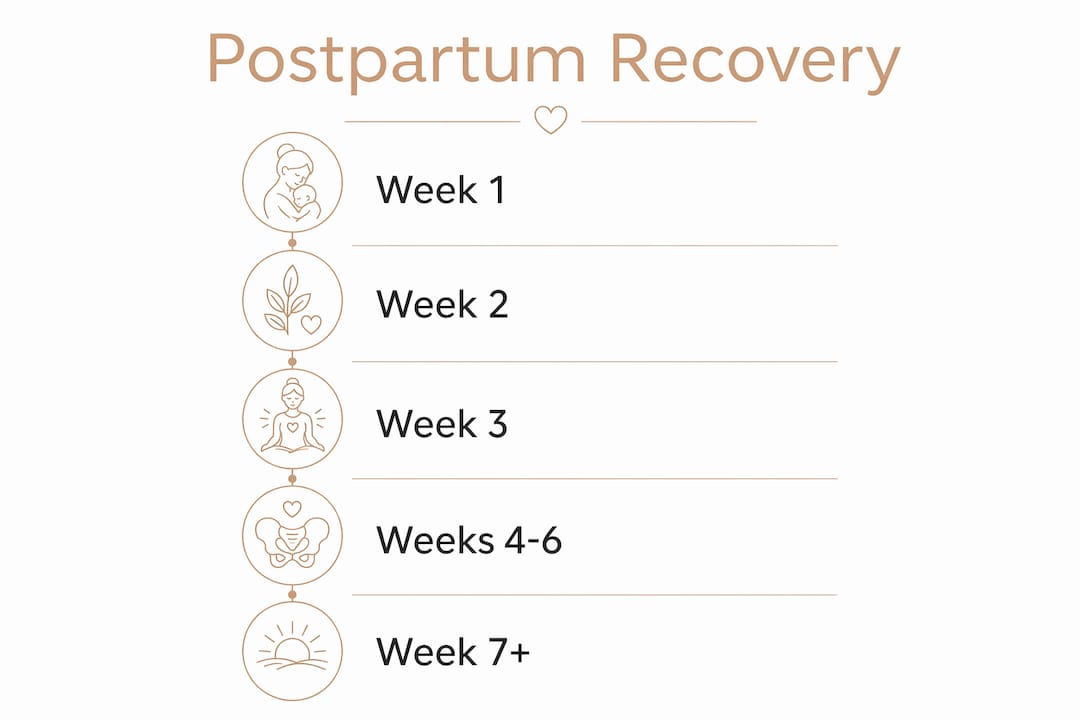
What does postpartum recovery actually look like week by week?
The postpartum period begins immediately after birth and generally covers the first 6–8 weeks, though recovery continues well beyond that for many mothers. Think of it as the fourth trimester: your body is doing enormous work even when you feel relatively fine.
Physical symptoms to expect:
- Lochia (postpartum bleeding): Can last up to six weeks; heavier at first, gradually lightening
- Perineal soreness or stitches: Common after vaginal birth; typically eases within 2–3 weeks
- Uterine cramping: Often stronger during breastfeeding as the uterus contracts
- Breast changes: Fullness and engorgement usually begin 2–5 days after birth
- Caesarean recovery: Surgical healing adds complexity; avoid lifting and strenuous movement for longer, and always follow your surgeon’s specific guidance
Emotionally, up to 80% of new mothers experience the baby blues, characterised by tearfulness, mood swings, and feeling overwhelmed. These typically resolve within two weeks. Postpartum depression is different: it is more persistent, more intense, and needs clinical support. The NHS advises contacting your GP, midwife, or health visitor if low mood continues beyond two weeks or feels severe.
Pro Tip: Pacing matters more than productivity. The NHS and clinical guidance both emphasise that accepting help and resting when the baby naps are among the most effective early recovery strategies, not signs of weakness.
How to build a simple day-to-day recovery routine at home
A workable routine does not need to be elaborate. It needs to be repeatable on four hours of broken sleep.
Morning (after the first feed):
- Drink a full glass of water before anything else
- Use your perineal spray after visiting the bathroom
- Apply nipple balm and allow a minute of air-drying
- Eat something protein-rich, even if it is just yoghurt or a handful of nuts
During naps (yours and the baby’s):
- Lie down, not just sit down
- Run a warm sitz soak if you have not done one yet today; 10–15 minutes is enough
- Do three to five gentle pelvic floor contractions while soaking, hold for five seconds each
Evening:
- A second sitz soak if soreness persists
- A warm shower or gentle body oil application to support skin recovery
- Ask your partner or a family member to take one feed or one nappy change so you get a longer sleep block
Postpartum guidance consistently recommends limiting household expectations entirely in the first weeks. Dishes and laundry can wait. Healing cannot. For caesarean recovery specifically, avoid stairs more than necessary and do not lift anything heavier than your baby until your surgeon clears you.
Pro Tip: Involve your partner or a trusted family member by giving them one specific task each day, whether that is preparing a snack basket for night feeds or running the sitz soak. Vague offers of help rarely materialise; specific requests almost always do.
Which plant-based postpartum products are safe while breastfeeding?
Not all “natural” products are equal, and the breastfeeding context matters. Here is how to choose well.
Product categories worth having:
- Herbal sitz soaks: Look for calendula, chamomile, or lavender-based sachets; these support perineal healing and are gentle on broken skin
- Perineal sprays: Witch hazel and aloe vera formulations cleanse without alcohol-based stinging
- Nipple balm: Must be safe for the baby to ingest; avoid strong essential oil concentrations (especially peppermint or eucalyptus) and choose lanolin-free options if you prefer plant-based
- Restorative body oils: Rosehip, jojoba, and sweet almond oil support skin elasticity and are generally safe postpartum
- Cooling pads: Chilled witch hazel pads provide immediate perineal relief, particularly in the first 48–72 hours
What to look for on the label:
- Third-party certifications such as COSMOS or Soil Association organic accreditation
- Explicit “safe for breastfeeding” or “breastfeeding-friendly” labelling
- Short, recognisable ingredient lists with no synthetic fragrance or alcohol listed near the top
Avoid products with high concentrations of essential oils near the nipple area, as residue can transfer to the baby. The StatPearls postpartum care review notes that breastfeeding evaluations, including latch and positioning checks, are routine in early postnatal visits precisely because nipple trauma is common and preventable with the right support and products.
Pro Tip: Check Mumbubhub’s postpartum skincare FAQs for a clear breakdown of which ingredients are breastfeeding-safe and which to avoid, written specifically for UK mothers.
If you notice a rash, increased pain, or unusual discharge after using any product, stop using it and contact your midwife or GP before resuming.
How to build your at-home recovery kit
A practical kit combines short-supply consumables with longer-lasting items. The goal is to cover the first 6–8 weeks without needing to reorder constantly.
Sample kit contents:
- Herbal sitz soak sachets (use daily for the first 2 weeks, then as needed)
- Perineal spray (use after every bathroom visit for the first 2–4 weeks)
- Nipple balm (ongoing throughout breastfeeding)
- Cooling pads or chilled witch hazel pads (first 48–72 hours primarily)
- Gentle restorative body oil (weeks 2–6 and beyond)
- Soft, high-waisted disposable or cotton underwear
- Healthy snacks and a reusable water bottle within arm’s reach of your feeding spot
- A simple mood-check card: a sticky note with the two-week rule (“if low mood lasts more than two weeks, call your GP”)
How Mumbubhub bundles map to this kit:
The Rest & Restore Bundle covers the soak and restorative elements, ideal for weeks 1–6. The Soothing Duo addresses perineal and nipple care directly, making it the right choice for the first two weeks of targeted relief. The Mum to Be Essentials Bundle works well as a broader gift set covering multiple recovery needs, or as a starting point before birth.
Store everything in a small basket or caddy. One by the toilet, one by the feeding chair. You will not regret the 10 minutes it takes to set this up before the baby arrives.
When should you call your midwife, GP, or 999?
Some symptoms are normal. Others need attention today.
Contact your midwife or GP promptly if you notice:
- Bleeding that soaks through a pad in under an hour
- Fever above 38°C
- Foul-smelling vaginal or wound discharge
- Severe or worsening abdominal pain
- Redness, swelling, or heat around a caesarean wound
- Low mood, anxiety, or intrusive thoughts lasting more than two weeks
Call 999 or go to A&E immediately for:
- Chest pain or difficulty breathing
- Severe headache with vision changes
- Thoughts of harming yourself or your baby
In the UK, your NHS midwife and health visitor are your first point of contact for most postnatal concerns. Health visitors typically make contact within the first two weeks after birth. NHS 111 is available 24 hours a day for urgent but non-emergency queries. For mental health support, the NHS postnatal depression page lists local and national resources.
Key takeaways
Plant-based postpartum recovery at home works best when rest, targeted perineal and nipple care, and NHS signposting are treated as equally non-negotiable from day one.
| Point | Details |
|---|---|
| Recovery timeline | The postpartum period generally lasts 6–8 weeks, though healing continues well beyond that for many mothers, and recovery can vary by delivery type. |
| Baby blues prevalence | Up to 80% of new mothers experience temporary mood changes; contact your GP if symptoms last beyond two weeks. |
| Product safety | Choose breastfeeding-friendly formulations with COSMOS or Soil Association certification and short ingredient lists. |
| When to seek help | Heavy bleeding, fever, severe pain, or persistent low mood all warrant same-day contact with a midwife or GP. |
| Ready kit option | Mumbubhub’s Rest & Restore Bundle, Soothing Duo, and Mum to Be Essentials Bundle cover the core kit needs in one purchase. |
Recovery takes longer than anyone tells you, and that is fine
Most articles on postpartum recovery present a tidy six-week arc. The reality is messier, and that is worth saying plainly. Physical healing and emotional adjustment rarely run on the same schedule, and the pressure to “bounce back” does real harm to mothers who are, in fact, recovering exactly as they should.
What the evidence actually supports is simpler: rest more than feels comfortable, use gentle plant-based products that do not add chemical load to an already-stressed body, and treat your midwife and health visitor as the professionals they are rather than a last resort. The benefits of consistent postpartum self-care rituals compound over weeks, not days. A sitz soak on day two matters less than a sitz soak on day two and day twelve and day twenty.
One practical tip that rarely appears in standard advice: try pairing pelvic floor micro-exercises with feeding sessions. While the baby feeds, do five slow contractions. It takes no extra time, requires no equipment, and builds the habit into something you are already doing ten times a day.
Plant-based postpartum kits, ready when you need them
Recovery is hard enough without sourcing twelve products from twelve different places. Mumbubhub brings together plant-based, breastfeeding-friendly postpartum care into curated bundles built specifically for UK mothers.
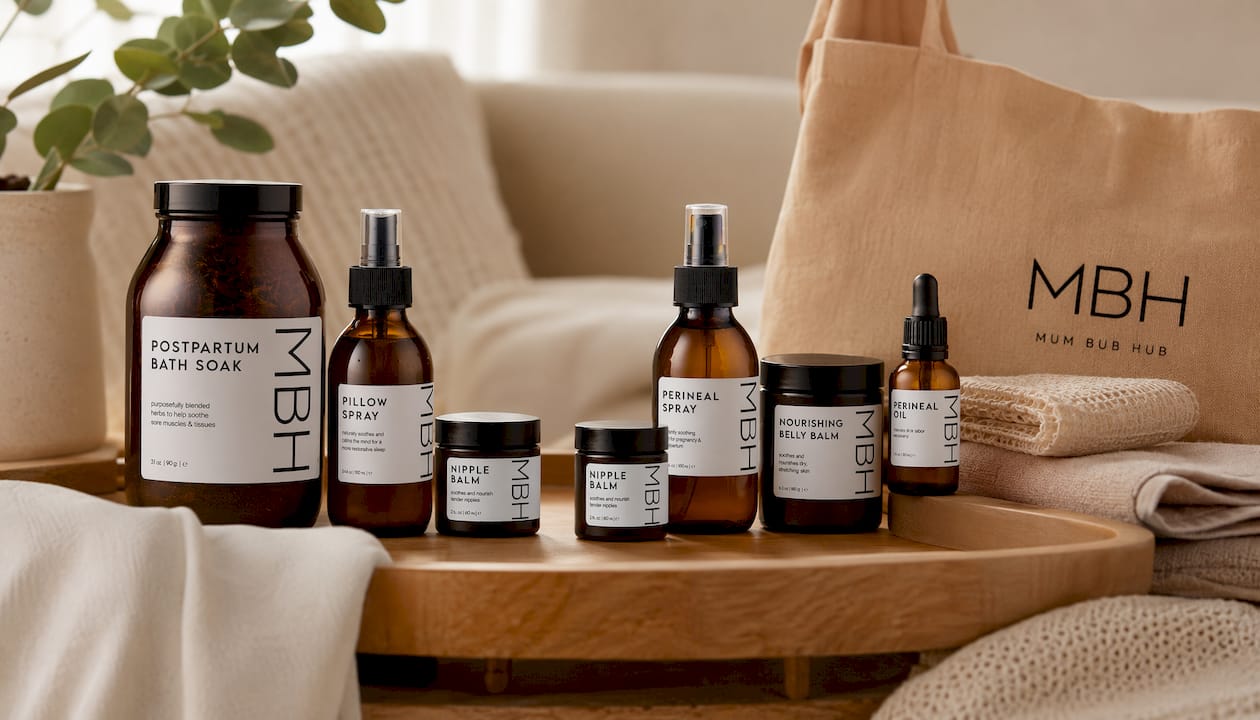
The Rest & Restore Bundle is the place to start for full early postpartum recovery support, covering herbal soaks and restorative care. If perineal and nipple comfort are the priority in those first raw days, the Soothing Duo is the more focused choice. For a broader gift covering multiple recovery needs, the Mum to Be Essentials Bundle works equally well for self-purchase or as a gift from someone who wants to help but does not know where to start.
Every product carries clear ingredient lists and breastfeeding-safe labelling. Browse the full postpartum recovery range and choose the bundle that fits where you are in your recovery right now.
Useful sources
- Postnatal depression — NHS
- Keeping fit and healthy with a baby — NHS
- Postpartum care of the new mother — StatPearls / NCBI Bookshelf
- Postpartum mood disturbances — PMC
- Postpartum: Stages, Symptoms & Recovery Time — Cleveland Clinic
- Recovering from birth — womenshealth.gov
- Women’s health strategy for England — GOV.UK
- Postpartum bath soaks guide — Mumbubhub
- Easy self-care tips for new mums — Mumbubhub
This article is general information, not medical advice. Always confirm your specific situation with your midwife, health visitor, or GP.
FAQ
How long does postpartum recovery take at home?
The postpartum period generally lasts 6–8 weeks, though individual recovery timelines vary by delivery type and personal health.
Is it safe to use plant-based bath soaks while breastfeeding?
Yes, provided the product uses gentle plant extracts such as calendula or chamomile, carries breastfeeding-safe labelling, and avoids high concentrations of essential oils near the nipple area.
When should I contact my GP after giving birth?
Contact your GP, midwife, or NHS 111 if you experience heavy bleeding, fever, severe pain, signs of infection, or low mood persisting beyond two weeks after birth.
What is the difference between baby blues and postnatal depression?
Baby blues affect up to 80% of new mothers and typically resolve within two weeks; postnatal depression is more persistent and intense, and requires clinical support from your GP or midwife.
Which Mumbubhub bundle suits early postpartum recovery best?
The Rest & Restore Bundle covers herbal soaks and restorative care for the full first weeks, while the Soothing Duo focuses on perineal and nipple relief in the earliest days.